Hydrogel-driven psoriasis therapies: Mechanisms, applications, and future directions
DOI:
https://doi.org/10.55184/ijpas.v77i04.471Keywords:
Psoriasis , Hydrogels, autoimmune disease, Management of psoriasis , keratinocytes.Abstract
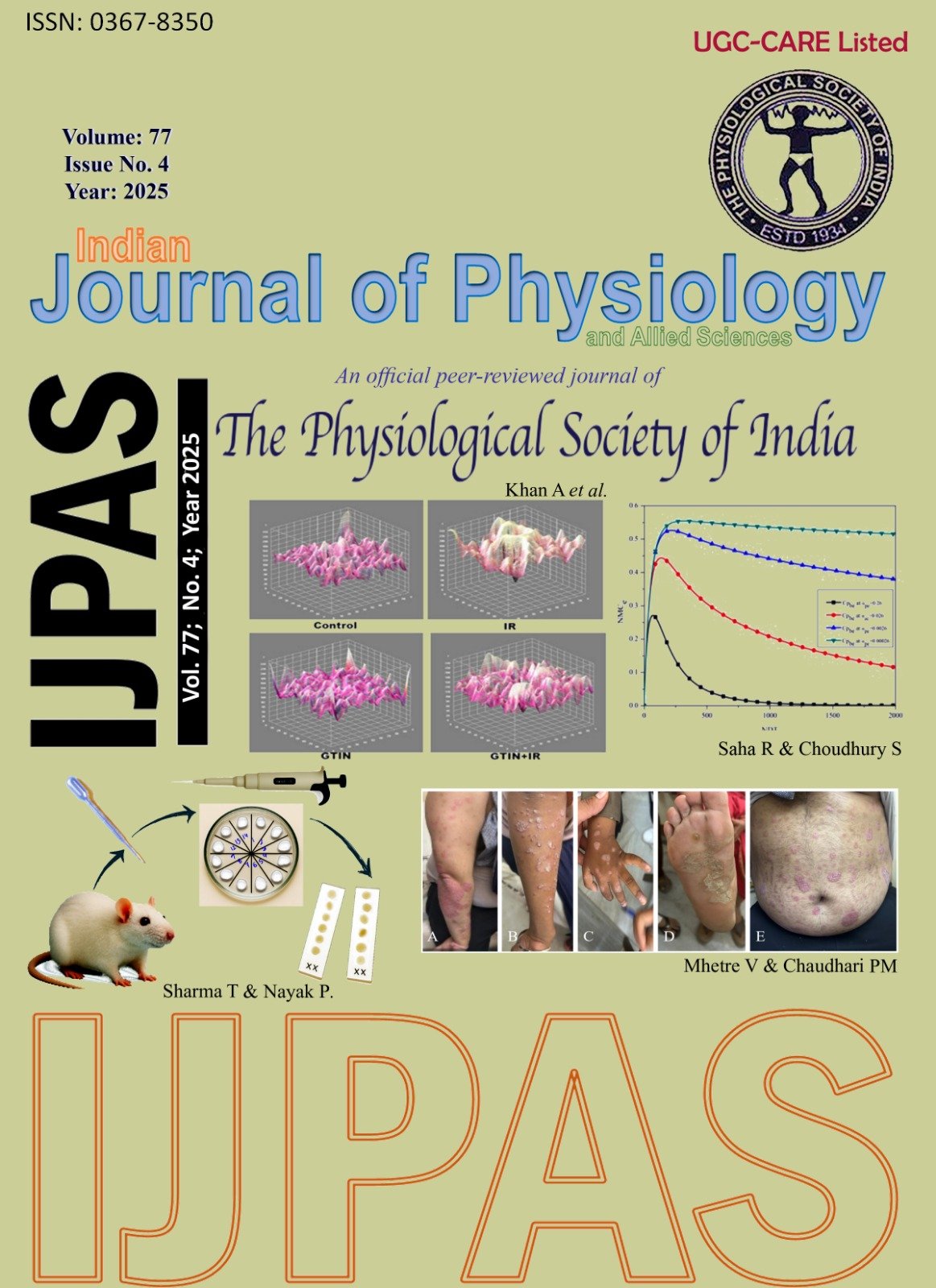
Psoriasis is a long-term skin disorder characterized by the appearance of rashes or patterns on the skin that may be red, accompanied by itching and scaling. Psoriasis is an auto-immune illness that reinforms itself to the rhythmic division of keratinocytes. It currently affects an average of two to five percent of the world’s population. Managing psoriasis remains a significant challenge due to various factors, including patient compliance with therapy, the complexity of patient conditions, psychosocial factors, and the dermis as a barrier to topical delivery. Hydrogels are the most advanced treatment carriers due to their biocompatibility, controllable characteristics, ability to deliver the required dose accurately, higher patient compliance rates, and reduced risk of side effects. This review aims to discuss the general principles that guide the design of hydrogel therapeutic platforms from various perspectives, including hydrogel constituents, tunable physicochemical properties, and interactions with cells and drugs, to enhance the understanding of the clinical applications of these platforms.
Downloads
Published
How to Cite
Issue
Section
License
Copyright (c) 2025 Vishal Mhetre, Pallavi M. Chaudhari

This work is licensed under a Creative Commons Attribution-NonCommercial-NoDerivatives 4.0 International License.